Breakthrough Innovations
Exploring the frontiers of future technologies and digital innovation
High-end printing
Printing Technology
From Thermal printers to 3D innovations
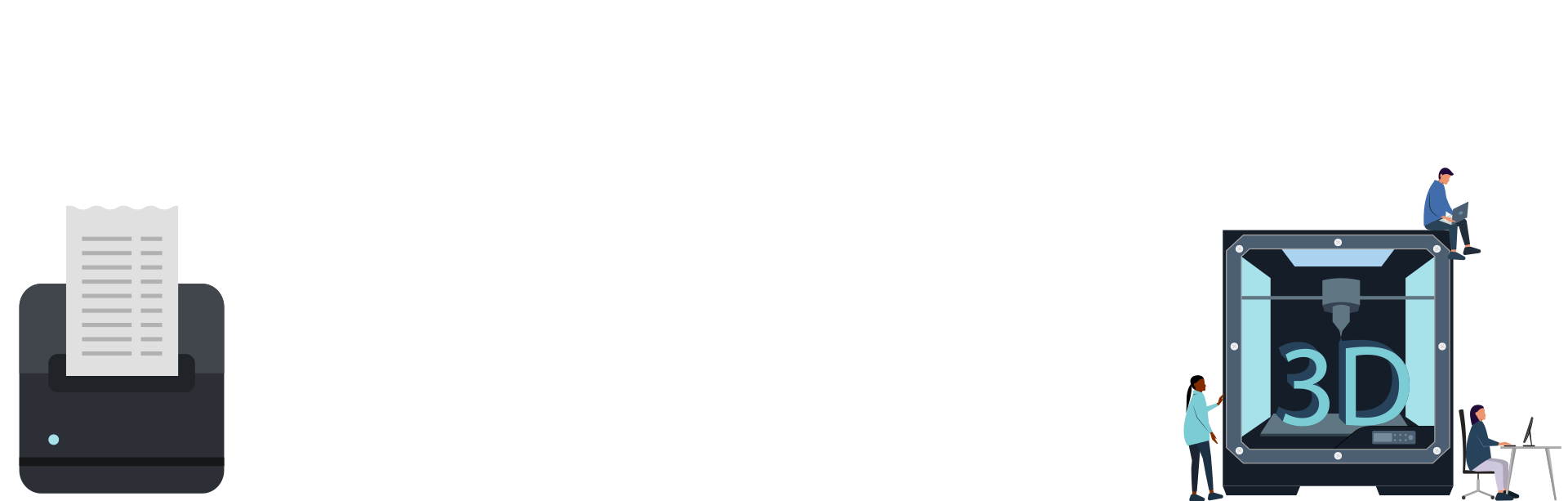
Modern printer technologies have evolved from simple mechanical devices into multifunction printing systems that combine document output, scanning and wireless connectivity. Inkjet printers and laser printers remain widely used for digital printing, while thermal printers support specialized printing needs. 3D printers extend these capabilities into digital fabrication and rapid prototyping, while sustainable inks and recyclable cartridges can help reduce material waste. Continued progress, including AI integration, is making printing systems smarter and more adaptable to changing user needs.
Virtual reality progress
Immersive technologies reshaping digital experiences
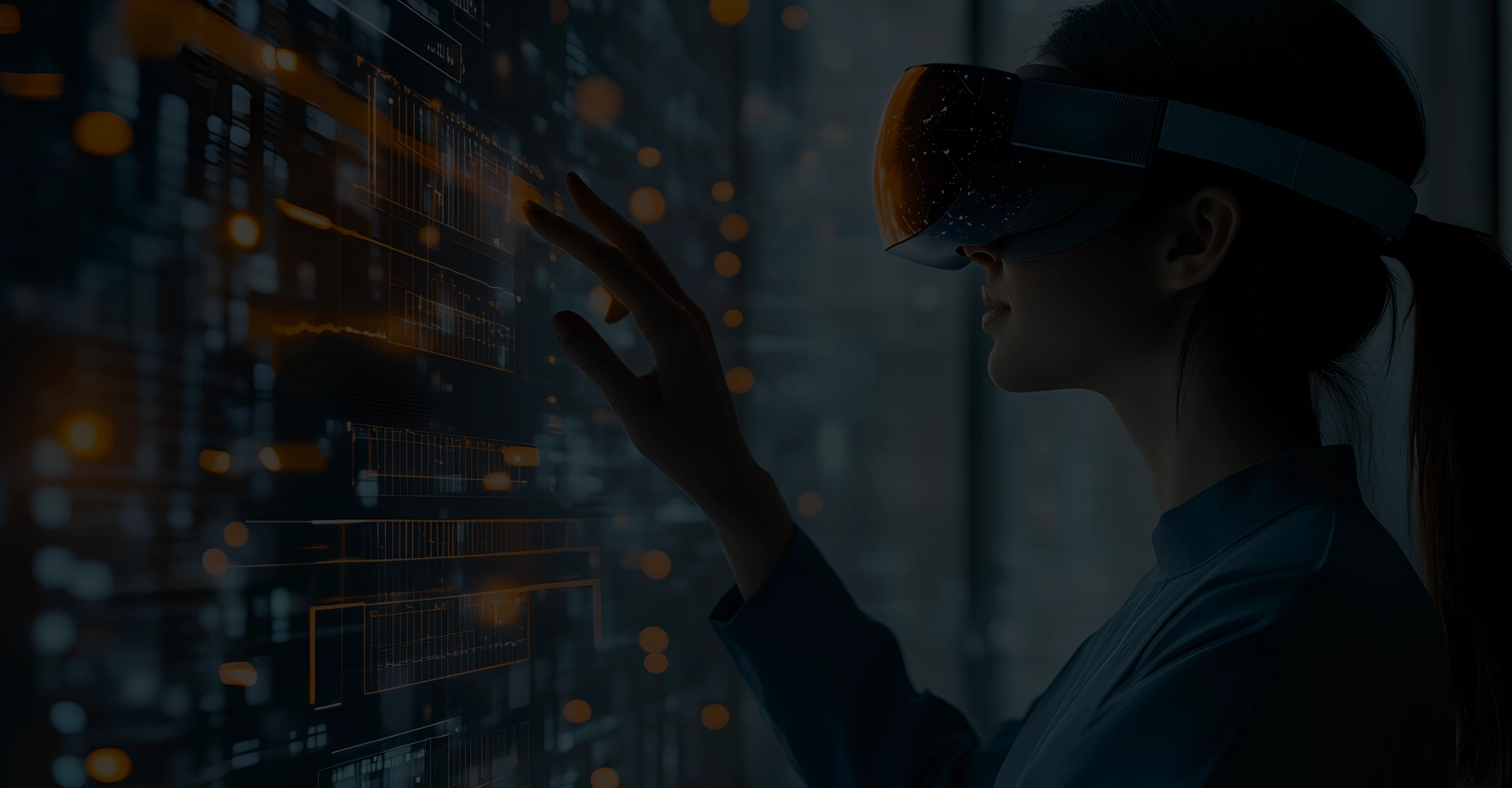
Virtual reality technologies and augmented reality technologies are reshaping how people interact with digital content through increasingly immersive digital experiences. Advanced VR headsets combine ultra-high-resolution displays with haptic feedback systems to deepen sensory interaction. AR platforms overlay digital information on the physical world, supporting applications from surgical training to architectural visualization.
Quantum computing advancements
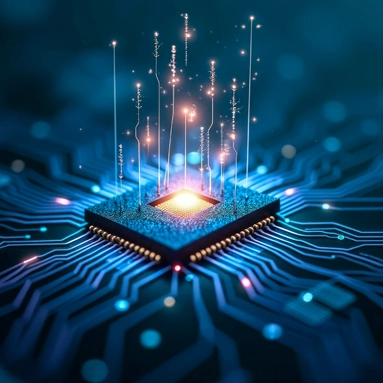
Quantum processors use quantum computing architectures to address complex computational problems through processing models distinct from classical computers.
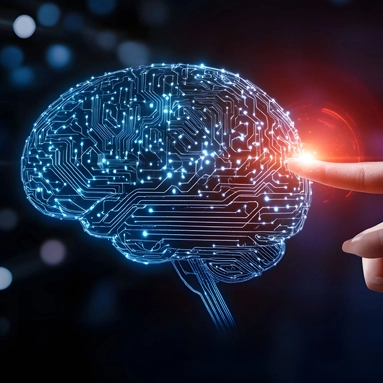
Neural interface developments
Brain-computer interfaces enable direct neural communication between users and machines, creating new possibilities for medical treatment, assistive technologies and human machine interaction.
Holographic display innovation
Advanced holographic technology can create interactive 3D projections that support spatial visualization, digital communication and immersive entertainment experiences.
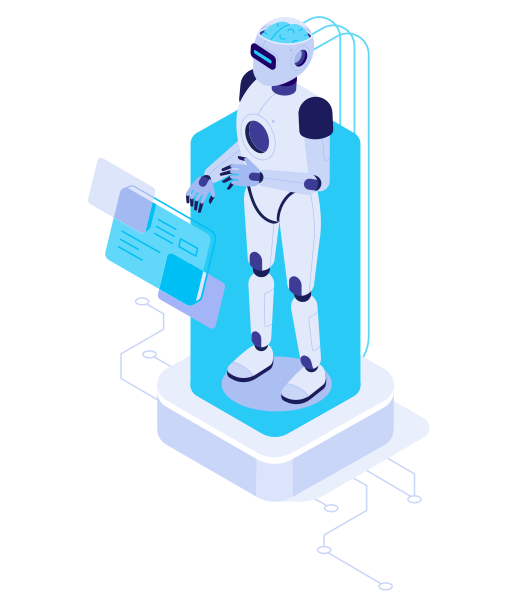
Robotic Integration
Industrial automation and smart manufacturing
Industrial robotics are evolving through advanced AI integration, supporting more sophisticated automation processes. Smart factories use IoT sensors and machine learning algorithms to optimize production workflows and industrial monitoring. Collaborative robots work alongside people with enhanced safety features and more intuitive programming interfaces.
Security innovation
Advanced cybersecurity and data protection
Modern cybersecurity systems combine AI driven threat detection with quantum encryption to protect digital assets and sensitive data. Zero trust architecture and blockchain technology provide layered security controls, while machine learning algorithms help security systems adapt to emerging threats and vulnerabilities.
Digital transformation
Cloud computing and edge processing solutions
Edge computing architecture moves processing closer to data sources, reducing latency for real time applications and distributed services. Hybrid cloud solutions combine scalable infrastructure with security controls and compliance requirements for sensitive operations.
Smart integration
Internet of things and connected ecosystems
IoT platforms connect smart devices and sensor networks, enabling automated data collection and data analysis across connected ecosystems. These systems support smart cities, intelligent buildings and industrial monitoring networks. Edge computing capabilities enable real time processing and faster local response.

5G Network implementation
High speed 5G networks enable ultra low latency communication, supporting advanced IoT applications and real time data processing across connected systems.

Green technology solutions
Eco friendly innovations in energy storage and smart grid systems help optimize power consumption while reducing environmental impact and supporting cleaner energy management.
Future mobility
Autonomous transportation systems
Self driving vehicles use advanced sensor arrays and AI algorithms for navigation, perception and decision making. Electric vehicle technologies and hydrogen fuel cell technologies provide sustainable power options. Connected vehicle systems support coordinated traffic management and enhanced road safety.